Gas Line Safety: What Every Homeowner Needs to Know
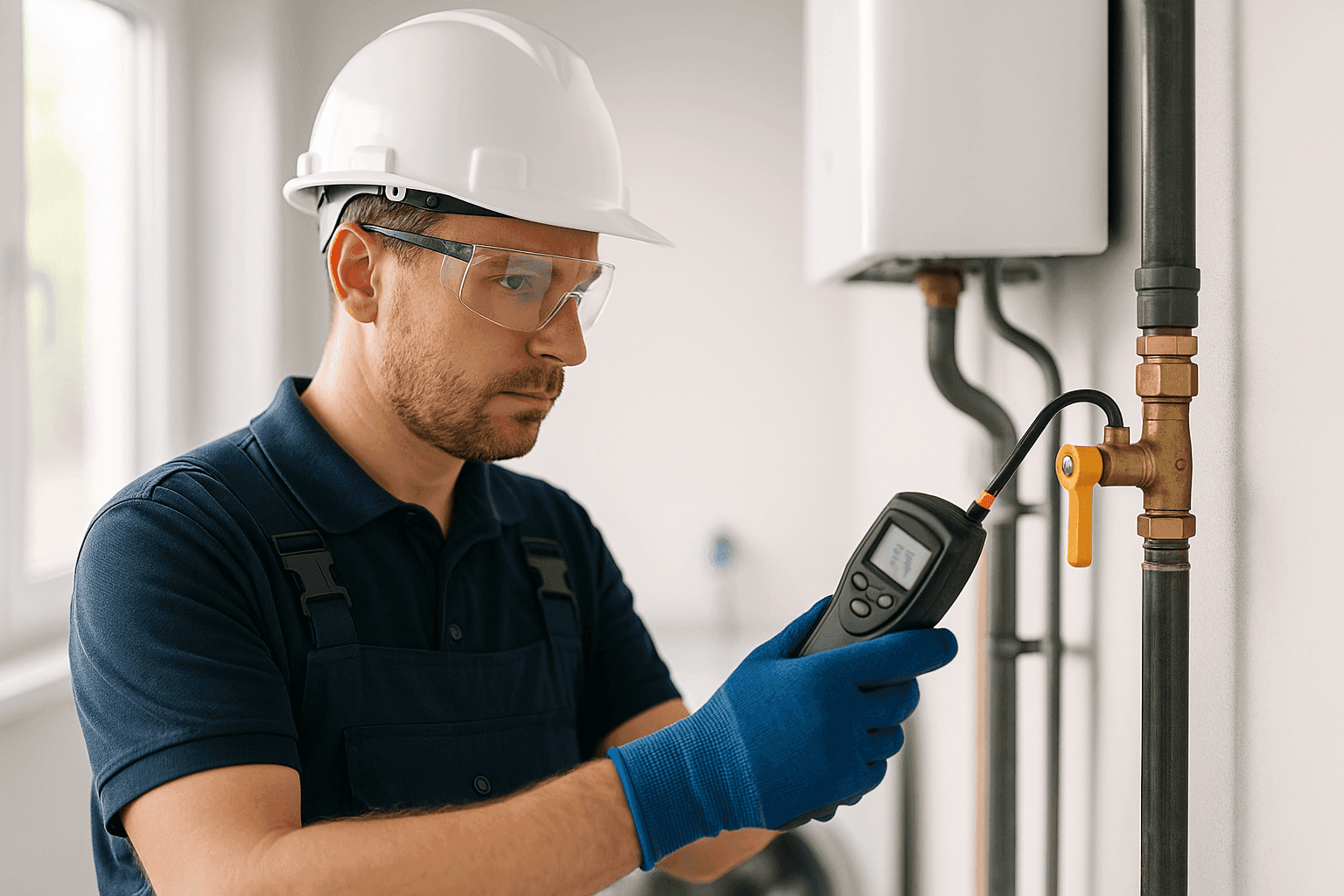
Gas can heat your home, warm your water, and power your stove. But it’s nothing to take lightly. When something goes wrong with a gas line, the stakes are high—sometimes in ways you can’t see or smell until it’s urgent.
At Showers Plumbing, we meet homeowners every week who are worried about gas leaks or want to know how to protect their families. This guide shares what you need to know, whether you’re searching for “plumbing safety tips” or “sewer line inspection near you.”
Why Gas Line Safety Matters 🛑
A gas leak isn’t like a dripping faucet. It’s more like a silent intruder—unseen, sometimes undetected, but dangerous. Natural gas is highly flammable, and exposure can lead to health problems, property loss, or worse.
- Health Risks: Headaches, dizziness, nausea, and even unconsciousness can result from leaks.
- Fire & Explosion: All it takes is one spark. Gas leaks are a leading cause of residential fires.
- Property Damage: Even minor leaks can corrode pipes, affect appliances, and rack up repair bills.
The U.S. Consumer Product Safety Commission and National Fire Protection Association both stress regular inspections and immediate action as your strongest defense. If you’re a homeowner, understanding gas line safety isn’t optional.
Signs of a Gas Leak
Spotting a gas leak can feel like solving a mystery. Sometimes the clues are subtle. Other times, they shout at you.
Common warning signs:
- Rotten egg or sulfur smell (that’s an added safety odorant in gas)
- Hissing or whistling sounds near pipes or appliances
- Dead or discolored plants and grass around gas lines outside
- Bubbles in standing water or puddles near buried pipes
- Unexplained headaches or nausea in the home
- Sudden spike in your gas bill
If you notice any of these, don’t shrug it off. Your home’s safety—and everyone in it—could be at risk.
How to Respond to Suspected Leaks
If your nose picks up that rotten egg scent or you spot another warning sign, act fast. Gas leaks aren’t a “wait and see” problem. Here’s what to do:
- Evacuate Immediately: Get everyone—including pets—out of the house. Don’t stop to gather belongings.
- Don’t Use Electronics: No lights, phones, garage doors, or anything that sparks. Even flipping a switch can ignite gas.
- Avoid Open Flames: Don’t use matches, lighters, or anything that could catch fire.
- Leave Doors Open: If safe, open doors and windows as you leave to help vent the gas.
- Call for Help: Once you’re outside and well away from the house, call your gas utility or emergency services. Then contact a licensed plumbing professional.
Never try to find the leak yourself. The risk is too high. The safest call is to step back and let trained, certified professionals handle it.
Preventative Maintenance and Inspections 🔍
Think of gas lines like arteries in your home—they need regular checkups to stay healthy. Prevention is far easier (and cheaper) than a fix after something goes wrong.
Simple safety checks for homeowners:
- Know where your main gas shutoff valve is located and how to use it.
- Watch for changes in appliance performance—weak burners, yellow flames, or soot.
- Schedule annual inspections by a licensed plumber, especially before winter or if you’re planning renovations.
- Install carbon monoxide detectors and test them regularly.
- Keep the area around gas meters and appliances clear of clutter.
The National Fuel Gas Code (NFPA 54) recommends regular inspections and immediate repair of any suspected issues. With Showers Plumbing, you get certified professionals who know exactly what to look for.
Quick Safety Checklist
- Smell gas or hear hissing? Evacuate—don’t investigate.
- Don’t use electronics, phones, or anything with a spark until clear.
- Call emergency services and your gas company from a safe distance.
- Schedule regular plumbing and gas line inspections.
- Keep carbon monoxide detectors working.
DIY vs. Call a Pro
It’s tempting to save money with a DIY fix. But gas lines aren’t like a leaky sink or a slow drain.
Don’t try to:
- Patch or seal a gas line yourself
- Move or replace gas appliances
- Ignore warning signs
Do call a professional when:
- You smell gas
- You’re planning renovations that involve gas appliances
- It’s time for your annual inspection
Professional plumbers are trained, certified, and use specialized tools to test, inspect, and repair. At Showers Plumbing, our team knows the local codes and the latest safety standards.
What Pros Do On Arrival
When our team arrives after a suspected leak, the process is deliberate and thorough:
- Safety First: We’ll check the area for lingering gas and ventilate if necessary.
- Pinpointing the Leak: Using sensitive gas detectors, we’ll trace the source.
- Immediate Repairs: Once the leak is confirmed, we repair or replace the affected section—always to code.
- System Testing: After repairs, we pressurize and test the whole system to confirm safety.
- Document & Advise: Finally, we’ll document the repairs and offer advice for ongoing safety, so you’re never left guessing.
This isn’t a job for guesswork or shortcuts. It’s about keeping your family and property safe.
Prevention & Maintenance
Routine care keeps gas lines in top shape. Here’s how to stay ahead of problems before they start:
Seasonal Checks
- Before Winter: Cold weather means more use of gas for heating—schedule your inspection early.
- After Major Storms: Heavy rains or ground movement can shift buried lines.
- Before Home Projects: Digging in the yard? Always call to identify underground utilities first.
Regular Professional Inspections
Schedule an annual inspection with a licensed plumbing company. Professionals check for corrosion, loose fittings, and test pressure in the system—things you can’t see with the naked eye.
Homeowner Habits
- Don’t store flammable items near gas appliances.
- Keep vents and flues clear.
- Replace flexible connectors if they show signs of wear.
Costs & Time Factors
No two jobs are the same, but here’s what to expect:
- Inspection: Usually takes 1–2 hours for a standard home.
- Minor Repairs: Can be completed same day, depending on parts.
- Major Repairs or Replacements: May take longer, especially if pipes are buried or hard to access.
Costs vary based on the age, location, and condition of your gas lines. While repairs are sometimes needed, regular maintenance can help avoid major (and more expensive) fixes down the road.
When It’s an Emergency 🚨
Some situations can’t wait. If you suspect a leak, or if you notice symptoms like headaches, dizziness, or visible damage to a gas line, treat it as an emergency.
Steps to take:
- Evacuate immediately.
- Leave doors and windows open as you leave.
- Don’t re-enter the home until cleared by emergency personnel.
- Call a certified plumber for an emergency response.
Showers Plumbing is ready to respond—day or night.
FAQ: Gas Line Safety
Q: How often should I have my gas lines inspected?
A: At least once a year, or before major renovations. Always before winter if you use gas for heating.
Q: Can I use a gas detector at home?
A: Yes. Consumer-grade detectors are available and provide an extra layer of safety, but they’re not a substitute for professional inspections.
Q: What if I smell gas but don’t see a leak?
A: Treat any gas smell seriously—evacuate, avoid electronics, and call for help immediately.
Q: Are gas line repairs covered by homeowners insurance?
A: Sometimes, but it depends on your policy. Maintenance-related issues may not be covered, but sudden leaks often are.
Local & Seasonal Considerations
Colder months mean more gas usage for heating and hot water. This is when leaks can be most dangerous—and hardest to detect if you’re not paying close attention.
- Winter: Increased use of furnaces and heaters puts extra stress on gas lines and connections.
- Summer: Outdoor grills and gas appliances are in frequent use—inspect hoses and fittings before firing up.
- Storm Season: Flooding or shifting ground can affect buried lines—schedule a check if you notice any changes.
Wrapping Up: Your Safety, Our Priority
Gas line safety isn’t just another chore. It’s about protecting your home, your family, and your peace of mind. Regular inspections, knowing the warning signs, and acting fast can make all the difference.
If you’re searching for “sewer line inspection near you,” need a gas safety check, or want to schedule preventative maintenance, we’re here to help.
Call Showers Plumbing now — or reach us anytime at 877-873-4965 .