The Homeowner’s Guide to Sewer Line Inspections
Does your home ever smell odd, even when everything looks clean? Or maybe the drains gurgle and take their sweet time clearing out? 🛁 These little annoyances can be a warning sign from your plumbing, whispering, “Check me before I cause a mess.” Most homeowners don’t think about what’s happening under the lawn—at least, not until the bathtub fills with something it shouldn’t.
At Showers Plumbing, we know sewer line issues are the kind of surprise no one wants. That’s why we’ve put together this easy-to-follow guide—so you can spot trouble early, understand the inspection process, and keep your home’s pipes flowing like they should.
What Is a Sewer Line Inspection?
Think of your sewer line as your home’s silent highway, carrying waste safely out of sight and mind. But just like any road, it can crack, clog, or break down over time. A sewer line inspection is a checkup for this underground lifeline.
Here’s how it works:
- A small, waterproof camera is pushed through your pipes.
- The camera sends back real-time video, showing every twist, turn, and blockage.
- Licensed plumbers look for cracks, roots, corrosion, or buildup.
- The process is non-invasive—no digging up your yard unless repairs are needed.
Modern camera inspection technology lets professionals pinpoint the exact spot and nature of any problem, making repairs faster and less disruptive.
Signs You Need an Inspection
Sewer lines rarely shout for attention—they whisper. Watch for these red flags before small problems become big headaches:
- Slow drains (in the tub, sink, or shower)
- Gurgling sounds from drains or toilets
- Unpleasant odors near drains, basements, or the yard
- Recurring clogs that don’t respond to plunging
- Water backing up into tubs or showers
- Soggy patches or lush grass in your yard (even when it hasn’t rained)
- Pests (like roaches or rats) suddenly appearing
Ignoring these warning signs is like ignoring the warning light on your car’s dashboard—you might keep driving, but eventually, you’ll be dealing with a breakdown. According to the International Association of Certified Home Inspectors (InterNACHI), regular sewer line checks can save homeowners thousands in repairs.
How Professionals Inspect Sewer Lines
Curious what happens during a “Sewer Line Inspection near you”? Here’s a peek under the hood:
Step 1: Homeowner Prep
- Clear access to the main drain or cleanout (usually in the basement, crawl space, or yard).
- Move vehicles, pets, or outdoor furniture if they block access points.
- Avoid running water during the inspection for a clear view.
Step 2: Camera Time
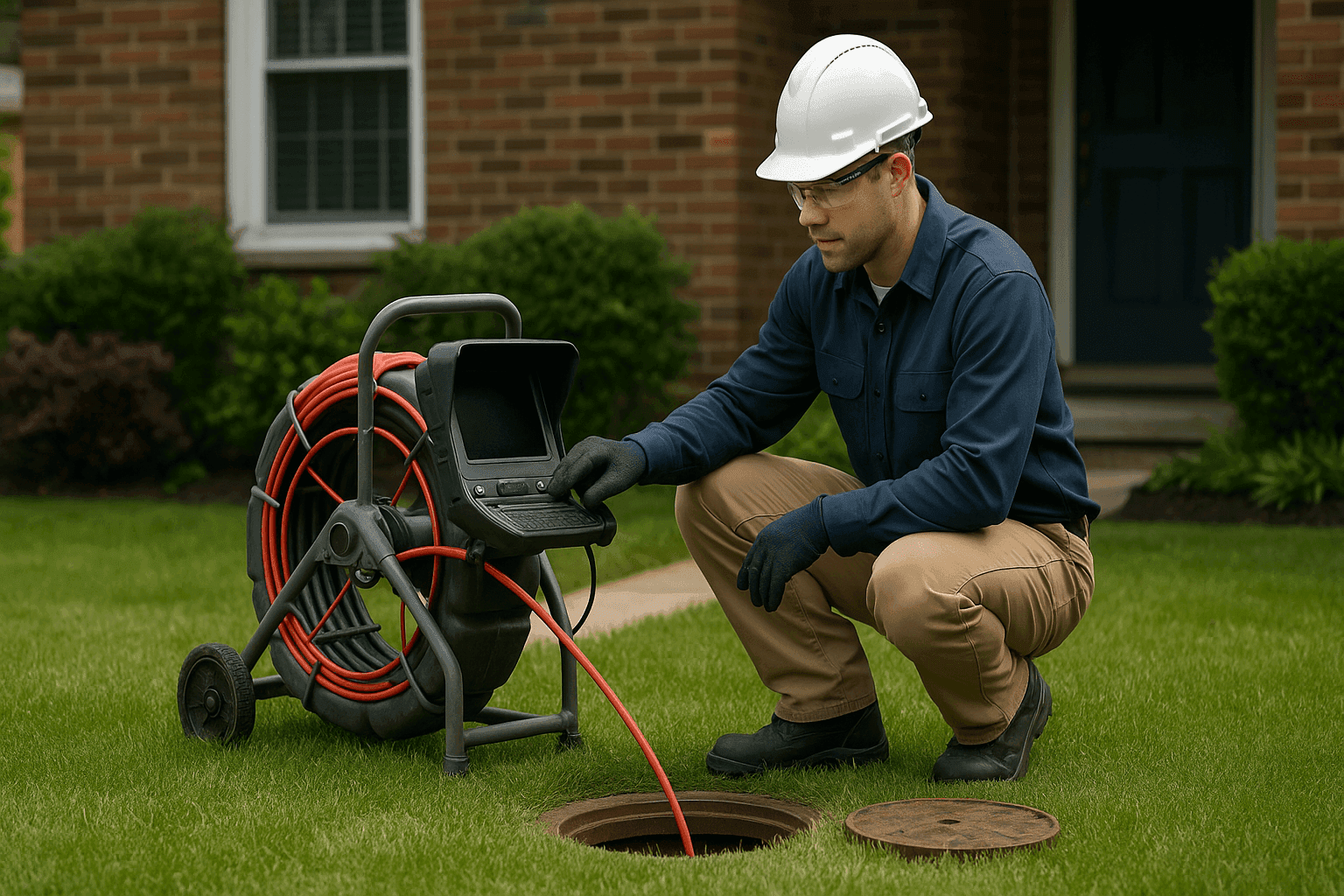
- A licensed plumber feeds a high-definition camera on a flexible cable into the sewer line.
- The video is displayed live, letting the technician (and you, if you wish) see the inside of your pipes.
- The camera records the location and depth of any issues—roots, cracks, buildup, or collapsed sections.
Step 3: Assessment
- Your plumber explains what they see, using straightforward language.
- If repairs are needed, you’ll know exactly where and why—no guesswork.
It’s efficient, safe, and respects both your time and your property.
What to Expect During Your Appointment
Nervous about having work done in your home? Here’s how Showers Plumbing makes the process transparent and stress-free:
- Arrival: Technicians arrive on time, uniformed, and ready to work.
- Walkthrough: They’ll explain the process before starting—no surprises.
- Respect: Shoe covers and drop cloths protect your floors.
- Safety: Plumbers follow local codes and OSHA guidelines for safety.
- Communication: You’ll get a summary of findings and honest recommendations.
The entire inspection usually takes one to two hours. If you wish, you can even view the camera footage for total peace of mind.
Why Regular Sewer Line Checks Matter
A neglected sewer line is more than an inconvenience. It’s a ticking time bomb, threatening your home’s foundation, health, and budget.
- Backups and flooding can cause expensive water damage.
- Mold and bacteria thrive in damp, hidden spaces, creating health risks.
- Foundation cracks can develop if leaking waste undermines the soil.
- Code violations may result if problems go unaddressed.
The Environmental Protection Agency (EPA) recommends routine sewer line inspections, especially for homes older than 20 years or with large trees nearby.
Quick Safety Checklist 🛑
Before any inspection or plumbing work, keep these safety tips in mind:
- Do not enter crawl spaces with standing water—risk of electric shock.
- Keep children and pets away from work areas.
- Confirm your plumber is licensed and insured.
- Ask to see video footage of the inspection.
- Request a written summary of findings.
Following these basics helps protect your home and everyone in it.
DIY vs. Call a Pro
It’s tempting to try fixing plumbing issues with a plunger or liquid drain cleaner. For minor clogs, that might work. But when it comes to sewer line inspection, leave it to the professionals.
Why?
- DIY tools can push clogs deeper, not remove them.
- Chemical cleaners may damage pipes and harm the environment.
- Professional-grade cameras reveal hidden problems you can’t see.
- Licensed plumbers know local plumbing codes and safety standards.
If you’re curious, ask to watch the inspection live. It’s like a guided tour through your home’s hidden pipes—without digging up the yard.
What Pros Do On Arrival
When you schedule a “Sewer Line Inspection near you,” here’s what to expect from the first knock:
- Friendly greeting and confirmation of the service.
- Walkthrough of your home to locate access points.
- Setup of protective gear (shoe covers, floor mats).
- Explanation of the inspection process.
- Camera inspection (with you invited to watch).
- Findings and recommendations—clear, honest, and pressure-free.
Every step is designed for safety, clarity, and respect for your home.
Prevention & Maintenance
Want fewer plumbing surprises? Here’s what helps:
- Avoid flushing wipes, grease, or feminine products.
- Schedule annual or bi-annual drain cleanings.
- Keep tree roots trimmed near sewer lines.
- Be alert to slow drains or odd smells and act quickly.
- Invest in backflow prevention devices if recommended.
The Plumbing-Heating-Cooling Contractors Association (PHCC) suggests regular maintenance to extend the life of your plumbing and avoid costly emergencies.
Costs & Time Factors
Wondering what a sewer line inspection might cost or how long it takes?
- Cost: Varies by home size, accessibility, and pipe length. Most standard inspections take 1–2 hours.
- Time: If problems are found, repairs may require a second appointment. Simple fixes (like cleaning a blockage) can often be handled the same day.
Remember, catching a problem early can save you thousands in repairs down the road.
When It’s an Emergency
Some sewer line problems can’t wait:
- Raw sewage backing up into sinks, tubs, or toilets.
- Standing water in the basement.
- Sudden, overwhelming odors.
- Water pooling in the yard, especially near the house.
If you face these issues, call for emergency plumbing service right away. Delaying could mean structural damage and serious health risks.
Frequently Asked Questions
How often should I schedule a sewer line inspection?
For most homes, every 2–3 years is a good rule of thumb. Older homes or homes with many trees nearby may need more frequent checks.
Can I use chemical drain cleaners instead?
It’s best to avoid them. They often provide only temporary relief and can corrode pipes, leading to bigger issues.
Does insurance cover sewer line repairs?
Some policies offer coverage, but many do not. Check with your provider and consider a sewer line rider if you’re concerned.
What’s the most common cause of sewer line problems?
Tree root invasion tops the list, followed by grease and non-flushable items clogging the line.
Local/Seasonal Considerations 🌧️
Different regions face unique challenges:
- Cold climates: Freezing can crack pipes and cause blockages.
- Wet seasons: Heavy rain can overwhelm old lines, leading to backups.
- Dry spells: Shifting soil may stress and crack aging pipes.
If your area has extreme weather, consider inspections before and after major seasonal shifts.
Stay ahead of costly plumbing problems. Schedule your sewer line inspection today—your pipes, wallet, and peace of mind will thank you.
Call Showers Plumbing now — or reach us anytime at 877-873-4965 .