Water Heater Repair vs Replacement: How to Decide
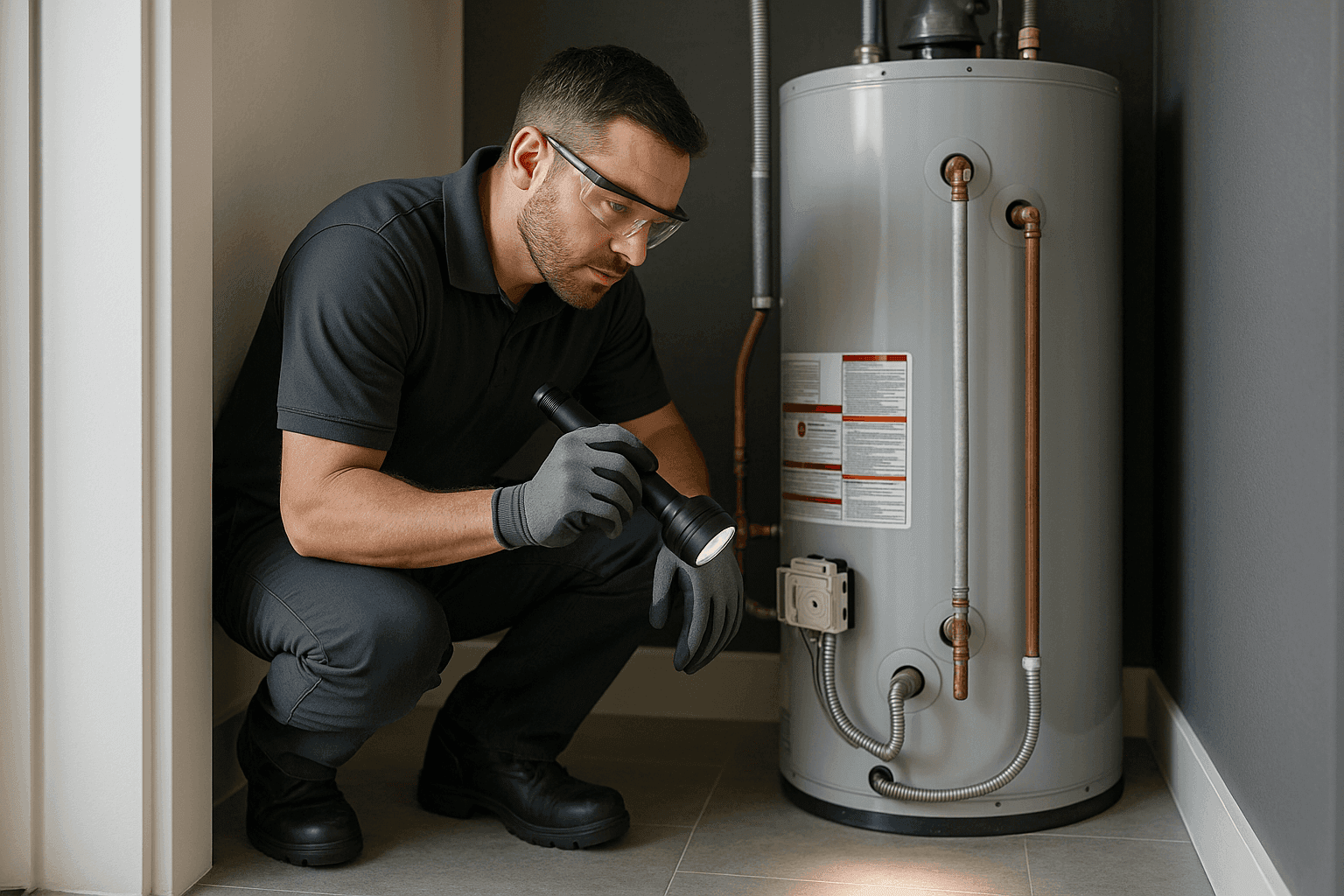
Have you ever stepped into the shower, expecting soothing warmth, only to be greeted by a blast of cold water? It’s more than unpleasant—it’s a jolt that can leave you questioning your water heater’s health. At Showers Plumbing, we know these moments can turn routines upside down. Deciding whether to repair or replace your water heater isn’t always straightforward.
You want the right fix, not just a quick one. Let's clear the fog around water heater decisions—so you know exactly what to watch for, what it might cost, and when it’s time to call in plumbing help.
Common Water Heater Problems 🔧
Water heaters are like the unsung heroes of your home. They work quietly—until they don’t. Here are the most common issues we see in homes:
- No hot water: The classic sign. Could be a failed heating element, thermostat, or gas control valve.
- Leaks or puddles: Even a small drip can signal big trouble. Corrosion, bad valves, or loose fittings might be to blame.
- Unusual noises: Popping, rumbling, or banging? Mineral buildup is a likely culprit, causing the tank to overheat and strain.
- Rusty or discolored water: If your tap runs brown or orange, your tank’s interior may be corroding.
- Hot water runs out quickly: Sediment buildup can shrink usable tank space, leaving you in the cold.
- Water too hot or too cold: A thermostat issue—or something deeper.
Think of your water heater as a hardworking engine. When it coughs, rattles, or leaks oil, it’s asking for attention.
When to Repair
Not every problem spells the end for your water heater. Sometimes, a well-timed repair can add years to its life.
Consider repair when:
- The unit is less than 8 years old.
- The problem is minor—like a faulty thermostat, heating element, or pressure relief valve.
- Leaks are limited to fittings or valves (not the tank itself).
- You haven’t had frequent issues in the past.
A repair makes sense when it’s a single, isolated problem. For example, a broken heating element or pilot light can often be replaced without much fuss or cost.
Pro tip: If the repair bill is less than half the price of a new unit, and the rest of your system is in good shape, repair is often the right move.
When to Replace
Sometimes, it’s time to say goodbye. Here’s when replacement is usually the safer—and smarter—choice:
- Age: Most water heaters last 8–12 years (source: U.S. Department of Energy). If yours is nearing a decade or older, replacement is the wise call.
- Frequent repairs: If you’re calling for plumbing help every few months, the costs add up fast.
- Major leaks: Water pooling at the base or rust spots on the tank mean the tank has failed. Repairs won’t fix this.
- Rising energy bills: An older, struggling heater works harder and costs more to run.
- Strange sounds persist: Ongoing rumbling or popping suggests severe sediment buildup or internal damage.
- Rusty water from hot taps: Indicates internal corrosion—replacement is the only fix.
Think of your water heater like a pair of worn-out sneakers. If the sole is coming off and they leak in the rain, it’s time for new ones.
Cost Considerations 💰
Money matters. Here’s how the numbers usually play out:
Repair costs:
- Typical repairs (element, valve, thermostat): $150–$400
- More complex fixes: $400–$700
Replacement costs:
- New standard tank-style heater (installed): $1,000–$2,500
- Energy-efficient or tankless models: $2,500–$4,500
Additional factors:
- Age of unit: Older heaters may cost more to service (and parts can be harder to find).
- Energy efficiency: Newer models can lower monthly bills, offsetting the initial investment over time.
- Frequency of needed repairs: If you’re stacking up repair bills every year, replacement pays off faster.
Rule of thumb: If your repair costs exceed half the price of a new heater, replacement is usually the better value.
Safety and Efficiency Tips 🔥
Water heater safety isn’t just about comfort—it’s about protecting your home and family. Here’s what you can do:
- Check for signs of gas leaks (for gas models): Rotten egg smell? Call a professional immediately.
- Test the temperature-pressure relief (TPR) valve annually.
- Keep area around the heater clear: No clutter or flammable items nearby.
- Insulate pipes to reduce heat loss.
- Set thermostat to 120°F: Prevents scalds and saves energy (U.S. Consumer Product Safety Commission).
- Schedule regular professional inspections: A licensed plumber can spot issues before they become hazards.
If you ever see water pooling, smell gas, or hear loud banging, don’t wait. These are urgent signals—like a warning light on your car dashboard.
How Showers Plumbing Inspects Your Water Heater
Wondering what happens when you call for help? Here’s our inspection process at Showers Plumbing:
- Visual check: We look for leaks, rust, and signs of wear.
- Component testing: Our team tests heating elements, thermostats, and safety valves.
- Assess connections: We check all plumbing and gas connections for leaks or corrosion.
- Listen and observe: Odd noises, water discoloration, or temperature swings help us pinpoint the problem.
- Code compliance: We ensure your setup follows local plumbing codes and safety guidelines (as outlined by the International Association of Plumbing and Mechanical Officials).
Our goal: clear answers, not guesswork.
Signs That Need Immediate Attention 🚨
Some problems can’t wait:
- Active leaks from the tank or fittings.
- Smell of gas near the water heater.
- No hot water at all—especially if you rely on it for health needs.
- Electrical issues: Flickering lights, tripped breakers, or burned wiring.
These are red flags. If you spot any, call a plumbing professional right away.
Weighing DIY vs. Calling a Plumbing Pro
Feeling handy? Some minor fixes are safe for homeowners, like resetting the thermostat or checking the pilot light. But most repairs—especially gas or electrical work—should be left to licensed plumbers.
DIY-friendly:
- Resetting breakers or thermostats
- Draining sediment (with caution)
Call a pro for:
- Anything involving gas or electricity
- Major leaks or standing water
- Persistent temperature issues
- Replacing major components
Unsafe repairs can lead to leaks, fire, or carbon monoxide risks. When in doubt, safety comes first.
Practical Maintenance Tips
Keep your water heater running smoother, longer:
- Flush the tank every 6–12 months to remove sediment.
- Test the TPR valve once a year.
- Insulate the tank with a water heater blanket (for older models).
- Check anode rods every 2–3 years; replace if worn.
- Keep records of repairs and service dates.
Regular care can add years to your system and help you spot trouble early.
FAQ
How long should a typical water heater last?
Most last 8–12 years. Well-maintained units may stretch closer to 15, but beyond that, reliability drops.
Can I repair a leaking tank?
If the leak is from the tank itself (not a valve or fitting), replacement is your only safe option.
What’s the best temperature setting?
120°F is recommended for safety, efficiency, and to prevent scalding.
Does hard water shorten heater lifespan?
Yes. Hard water leaves mineral deposits, which cause wear and reduce efficiency. Consider a water filtration system to help.
Local and Seasonal Considerations ❄️
Cold winters? Hard water? Both can speed up wear on your water heater. Seasonal temperature swings can strain older units. If you live in an area with freezing winters, extra insulation and regular maintenance are key.
If you’re ever searching for “Sewer Line Inspection near you” or need plumbing repairs beyond your water heater, Showers Plumbing is ready to help—rain, snow, or shine.
No one wants to be left in the cold. Whether you’re dealing with a minor hiccup or a major headache, Showers Plumbing is your go-to for water heater repair, replacement, and all your residential plumbing needs.
Call Showers Plumbing now — or reach us anytime at 877-873-4965 .