What to Expect During Emergency Plumbing Service
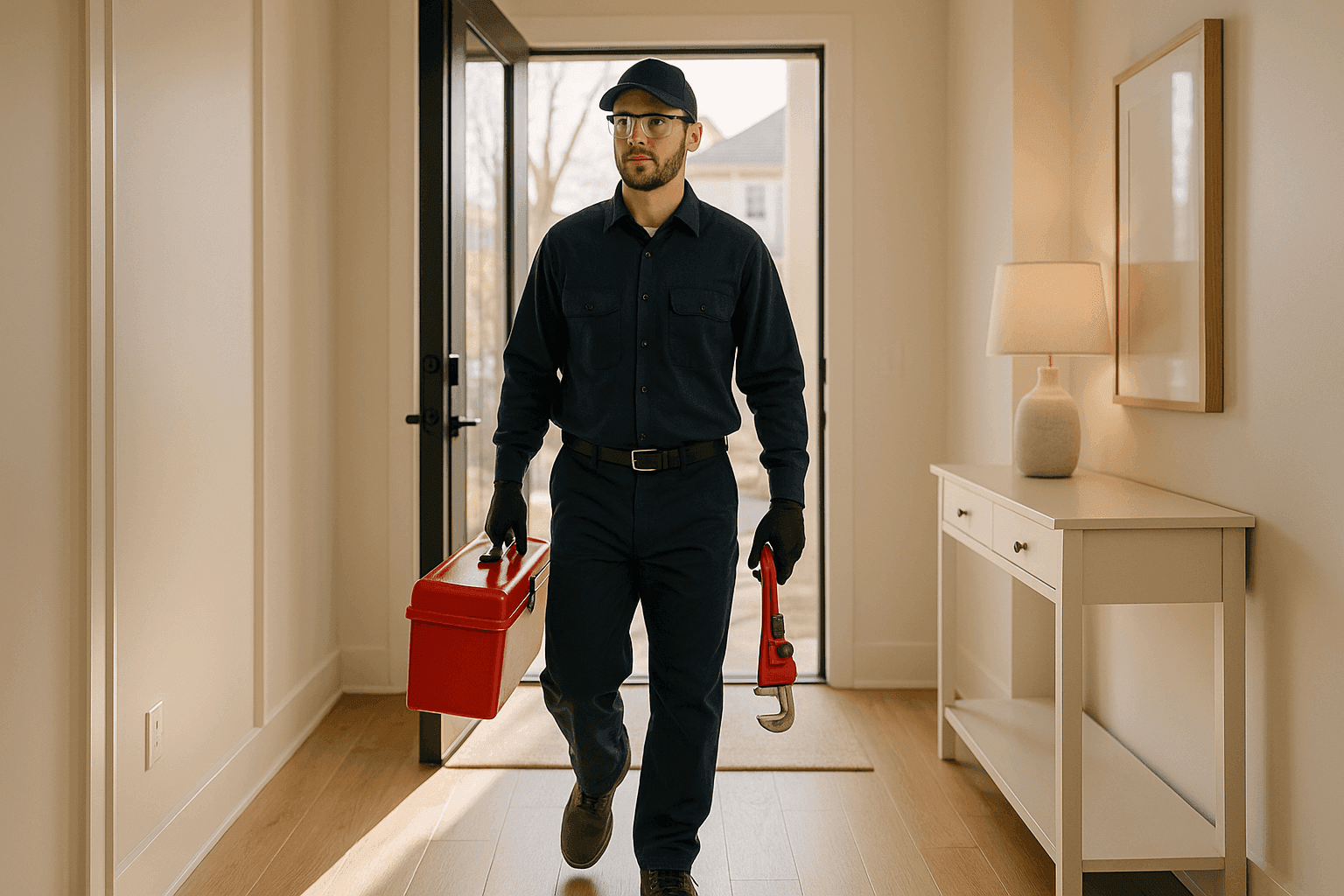
When a pipe bursts, the clock starts ticking. Water seeps where it doesn’t belong. Floors, walls, and memories get soaked in moments. It’s stressful. It’s overwhelming. At Showers Plumbing, we understand that panic. We’ve guided countless homeowners through late-night leaks, backed-up drains, and the chaos of plumbing emergencies—always with a steady hand and a calm voice.
Let’s pull back the curtain so you know exactly what to expect during an emergency plumbing service. No guessing. No surprises. Just clear steps, honest communication, and practical advice for weathering the storm.
Common Plumbing Emergencies 🚨
Not all plumbing problems are created equal. Some can wait. Others need attention right now. Here are the most common reasons homeowners call for emergency plumbing help:
- Burst Pipes: A pipe can split unexpectedly. Freezing temperatures, aging materials, or sudden pressure changes can turn a hidden pipe into a waterfall.
- Major Leaks: Water dripping from ceilings or pooling on the floor often signals a broken line or fixture.
- Sewer Backups: Wastewater rising in sinks, tubs, or toilets is a red flag. It’s unpleasant—and dangerous—since sewage carries bacteria and can quickly damage your home.
- Clogged Drains & Toilets: One stubborn clog in the wrong spot can stop your household cold. If a plunger won’t fix it and water keeps rising, it’s time to act.
- Gas Leaks: Smelling rotten eggs? Hearing hissing near a gas line? This is a true emergency and requires immediate professional help.
Always treat these issues seriously. Quick action limits damage and keeps your family safe.
Immediate Steps to Take
Before help arrives, there’s a handful of things you can do to protect your home and loved ones. Think of these as your “homeowner’s playbook” for emergencies:
- Shut Off Water: Find your main shutoff valve (typically near where water enters your home) and turn it clockwise to stop the flow.
- Kill Power Near Water: If water is seeping near electrical outlets or appliances, cut the power at your breaker box to prevent shocks.
- Ventilate for Gas Leaks: Suspect a gas leak? Open windows and doors to let gas escape. Leave the house and call for help from a safe distance.
- Contain the Mess: Grab towels, buckets, or even pots to catch leaks or divert water away from valuables.
- Move Essentials: Relocate electronics, important documents, and cherished items from affected areas.
- Don’t Touch Sewage: Sewage carries harmful germs. Keep kids and pets away, and never attempt to clean it yourself.
What Happens During a Service Call
When you call Showers Plumbing, here’s what you can expect—step by step:
1. The Phone Call
Be ready with details:
- Where is the problem? (Kitchen, basement, bathroom?)
- What do you see, hear, or smell? (Water, sewage, gas, strange noises?)
- When did it start? Has it gotten worse?
Sharing clear information helps us send the right tools—and speeds up repairs.
2. Arrival & Initial Assessment
Our certified technician will arrive promptly, equipped for the situation. They’ll:
- Listen to your rundown of the problem.
- Inspect the immediate area and trace the issue to its source.
- Use specialized leak detection or sewer camera tools if needed.
3. Clear Communication
No technical mumbo-jumbo. We’ll explain:
- What’s causing the problem.
- What needs to be done.
- How long it will likely take.
- Any safety issues to watch for.
You’ll always know what’s happening and why.
4. Immediate Repairs
In most emergencies, we’ll:
- Stop leaks or shut off affected pipes.
- Unclog drains or toilets using professional-grade tools.
- Repair or temporarily patch broken pipes, fixtures, or valves.
- Address gas leaks quickly and safely, following National Fuel Gas Code requirements.
- Contain and clean up messes, keeping your home as safe and dry as possible.
5. Next Steps
If the repair is extensive—a full repiping, sewer line replacement, or major cleanup—we’ll walk you through options, timelines, and what to expect next.
How to Minimize Damage Before Help Arrives
Every minute counts during a plumbing emergency. Here are practical tips:
- Know Your Shutoff Locations: Identify your main water and gas shutoff valves before you need them. Label them for quick access.
- Keep Tools Handy: A wrench, pliers, and heavy-duty tape can buy precious time in a pinch.
- Don’t Use Chemicals: Pouring drain cleaners into a backup can make things worse and create hazardous fumes.
- Photograph the Damage: For insurance claims, snap pictures of leaks, water stains, and damaged belongings before cleanup starts.
- Follow Local Codes: For example, the International Residential Code (IRC) and Uniform Plumbing Code (UPC) outline minimum safety requirements for residential plumbing—never attempt repairs that require a permit or specialized training.
How We Handle the Most Common Emergencies
Burst Pipes
- Locate the break.
- Cut out and replace the damaged section.
- Test for pressure and leaks before restoring water.
Sewer Backups
- Use specialized cameras to inspect the line.
- Clear blockages with power augers or hydro-jetting.
- Check for damage or root intrusion; recommend further sewer line inspection near you if needed.
Major Leaks
- Isolate the leaking section.
- Repair or replace faulty joints or fixtures.
- Inspect for water damage behind walls or under floors.
Clogs
- Remove blockages with mechanical tools, not harsh chemicals.
- Inspect drains for deeper issues if clogs recur.
The Importance of Quick Action
Water flows like time—it doesn’t wait. Slow response means more damage, higher repair costs, and sometimes, unsafe living conditions. The EPA warns that mold can start to grow in water-damaged areas in just 24–48 hours. The sooner you call, the more we can save.
What Information to Provide When Calling
Help us help you. When you call Showers Plumbing, have this info ready:
- Your address and contact number.
- Type of emergency (leak, clog, backup, gas smell).
- Location of the issue (kitchen sink, basement toilet, etc.).
- Any steps you’ve already taken (shut off water, moved belongings, etc.).
- If you or anyone in the house has health or mobility concerns.
This helps us prioritize your call and tailor our response.
Building Trust: Certified, Courteous Service
Every technician at Showers Plumbing holds current certifications and follows state and federal safety regulations. We treat your home with respect—from shoe covers to careful cleanup. We’ll explain every step, answer your questions, and never pressure you into unnecessary repairs.
Frequently Asked Questions
How fast can you arrive?
We prioritize emergencies. Calls are dispatched immediately—arrival times depend on distance and traffic. We always keep you updated.
Will you have the parts for my repair?
Our trucks are stocked for most common fixes: pipes, fittings, valves, and supplies for leak repair, clogs, and more. Rare parts may require a follow-up visit.
Should I try to fix it myself?
For minor clogs or small drips, a plunger or tightening a fitting may help. For anything involving gas, sewage, or major leaks—call a professional right away.
Will my insurance cover water damage?
Most policies cover sudden, accidental water damage. Take photos, save receipts, and contact your provider for details.
Local and Seasonal Considerations ❄️
Nebraska winters can freeze pipes overnight, turning small cracks into major bursts. Summer storms may flood basements and overwhelm sump pumps. Know your home’s trouble spots—outdoor spigots, crawlspaces, and low-lying drains are often first to fail. Schedule regular preventative maintenance to keep systems in top shape year-round.
Final Thoughts
A plumbing emergency is never convenient. But with calm action, clear information, and a skilled professional at your side, you’ll weather the worst of it. If disaster strikes—or if you want peace of mind with backflow testing, leak detection, or sewer line inspection near you—help is a call away.
Call Showers Plumbing now — or reach us anytime at 877-873-4965 .