Preventing Frozen Pipes: Essential Winter Plumbing Tips
Winter has a way of sneaking up on us. One minute, you’re enjoying crisp air and the next, your pipes are at risk of freezing solid. If you’ve ever woken up to no water—and a hefty repair bill—you know how stressful this can be.
At Showers Plumbing, we’ve seen the headaches, the panic, and the preventable mess. Let’s help you stay ahead, save money, and keep your plumbing running smoothly all season.
Why Pipes Freeze
When temperatures drop below 32°F (0°C), water inside your pipes can turn to ice. Why is this a problem? Water expands as it freezes, putting immense pressure on the walls of your pipes—like a soda can left in the freezer. Eventually, pipes can crack, split, or burst, turning a cold night into a full-blown flood.
But it’s not just about the cold. Uninsulated pipes, drafts, and dips in temperature—even for a few hours—can be enough to create trouble.
What’s at stake?
- Costly water damage to floors, walls, and valuables
- Disrupted water supply for showers, toilets, and kitchen use
- Emergency plumbing repairs during the busiest season
Areas Most at Risk ❄️
Some spots in your home are more likely to freeze than others. Picture the coldest corners—those are your danger zones.
Watch for:
- Pipes running along exterior walls
- Unheated basements, crawl spaces, attics, and garages
- Under kitchen and bathroom sinks (especially if on outside walls)
- Utility rooms without proper insulation
If you live in an older home, check for hidden pipes tucked away in nooks and crannies. Out of sight, out of mind—and out of heat.
Winterization Steps Before Cold Hits
Don’t wait for the first freeze. Preparation is your best defense. Here’s a checklist to guide you:
Actionable Checklist
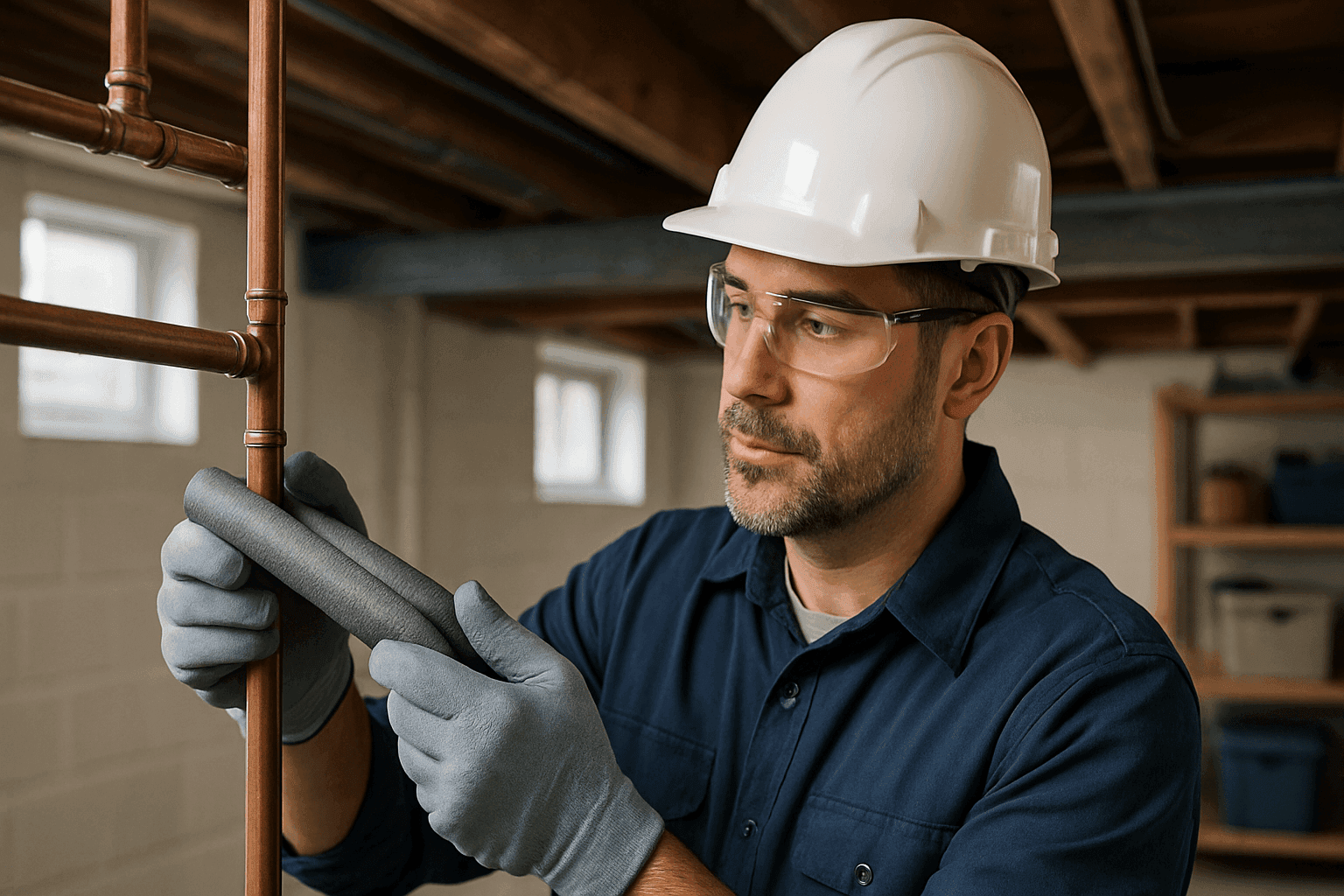
- Insulate exposed pipes using foam sleeves or fiberglass wrap. Pay close attention to pipes in unheated spaces.
- Seal drafts around windows, doors, and where pipes enter your home. Use caulk or weatherstripping to block icy air.
- Disconnect outdoor hoses and shut off the outdoor water supply. Drain what’s left—any water can freeze and travel back into the house.
- Open cabinet doors under sinks on exterior walls. Let warm air circulate around pipes.
- Let faucets drip—a slow trickle keeps water moving and reduces freezing risk.
- Check your thermostat. Keep it no lower than 55°F (13°C), even when away.
- Schedule a Sewer Line Inspection near you to make sure underground pipes haven’t developed leaks or blockages—these can worsen with freeze-thaw cycles.
A little effort now beats a midnight scramble later.
Emergency Actions for Frozen Pipes 🚨
Sometimes, despite your best efforts, pipes freeze. Here’s what to do if you turn on the faucet and nothing comes out:
- Turn off the main water supply immediately to prevent flooding if the pipe bursts.
- Open faucets to relieve pressure and allow water to escape as the ice melts.
- Apply gentle heat to the frozen section—use a hairdryer, heating pad, or warm towels. Never use an open flame.
- Check for leaks once water begins flowing. Even a small crack can cause significant damage.
- Call a licensed plumber if you can’t locate the frozen spot, thaw it safely, or if you suspect a burst pipe.
Pro Tip: Know where your main water shutoff valve is—before you need it.
Insulation: Your First Line of Defense
Think of pipe insulation as a cozy winter jacket for your plumbing. It keeps the cold out and the warmth in.
- Use foam pipe insulation for easy DIY protection.
- In extreme climates, add heat tape—make sure it’s UL-listed and installed per manufacturer instructions.
- The U.S. Department of Energy recommends insulating pipes in all unheated areas for maximum protection.
Even a small investment in insulation can prevent thousands in repairs later on.
Faucet Drips: Small Trick, Big Impact
Letting faucets drip may seem wasteful, but in the middle of a deep freeze, it’s your insurance policy. A pencil-thin stream of water keeps pressure from building up in the pipes.
- Focus on faucets connected to at-risk pipes.
- Both hot and cold lines benefit from this trick.
Remember to monitor your drains to prevent backups as well.
Sealing Drafts and Air Leaks
Cold air sneaks in through the smallest cracks—like a chilly whisper in the night. Plugging those gaps keeps warmth inside and the freeze out.
- Use exterior-grade caulk for gaps around pipes entering outside walls.
- Weatherstrip doors and windows—especially in basements and crawl spaces.
- Insulate attic hatches and vent openings.
Drafts are the enemy; a few minutes with a caulk gun is time well spent.
Long-Term Savings and Emergency Readiness
A frozen pipe isn’t just a winter nuisance—it can lead to months of repairs, insurance claims, and unexpected expenses. Timely preparation means less stress, lower water bills, and peace of mind knowing your home is protected.
Taking action before winter is like wearing a seatbelt. You hope you never need it, but you’ll sure be glad it’s there when you do.
Risks of Procrastination
Waiting until temperatures plummet is like betting you won’t get a flat tire on a long road trip. Many homeowners put off winterizing until it’s too late, only to find themselves ankle-deep in water.
- Emergency plumbing calls increase dramatically during cold snaps.
- Supply stores may run out of insulation materials mid-season.
- Insurance may not cover all water damage if preventive steps weren’t taken.
The earlier you prepare, the more options you have—and the more you save.
Frequently Asked Questions
How can I tell if my pipes are frozen?
Signs include little or no water flow, strange odors from drains, or visible frost on pipes. If you suspect a freeze, act fast—frozen pipes can burst without warning.
Can I thaw pipes myself?
You can try, but always use gentle heat (hairdryer, warm towels). Never use open flames or electric heaters unattended. If you’re unsure or the pipe is inaccessible, call a professional.
Is pipe insulation enough?
Insulation goes a long way, but it’s only part of the puzzle. Combine it with sealing drafts, keeping the heat on, and letting faucets drip for full protection.
Are plastic pipes safer than metal?
Plastic (PEX) pipes resist freezing better than copper or steel, but no pipe is immune. All types need winter protection.
Local and Seasonal Considerations 🏠
While winters vary, cold snaps can hit anywhere—sometimes with little warning. Old homes, new builds, and everything in between benefit from seasonal checks:
- Schedule annual Sewer Line Inspection near you, especially if you’ve had problems in the past.
- In regions with unpredictable weather, keep a “winter storm kit” handy: extra insulation, flashlights, and the number for Showers Plumbing.
- Follow local building codes and recommendations from the American Red Cross and U.S. Department of Energy for best results.
Final Thoughts
Every winter brings new challenges, but frozen pipes don’t have to be one of them. With the right preparation, a little vigilance, and quick action, you can keep your plumbing safe and your home warm.
If you need help winterizing your home, inspecting your sewer lines, or dealing with an unexpected freeze, don’t wait.
Call Showers Plumbing now — or reach us anytime at 877-873-4965 .