Sewer Line Problems: Signs, Causes & When to Call a Plumber
When your home's plumbing starts acting up, it’s easy to brush off the first signs. Maybe a drain gurgles. Or a mysterious smell lingers in the basement. But ignoring these hints can invite bigger headaches down the line.
At Showers Plumbing, we’ve seen how unnoticed sewer line problems can turn a peaceful home into a battleground of mess and stress. Acting early can save you money, hassle, and—most importantly—your home’s health.
Common Signs of Sewer Line Problems
Sometimes, your plumbing speaks before disaster strikes. Here’s what to look (and sniff) for:
- Slow Drains: Is your sink or tub draining slower than usual? If plungers aren’t helping, it’s not just a surface clog. It could be a deeper issue.
- Foul Odors: A healthy sewer line keeps bad smells underground. If you notice a persistent rotten egg or musty smell indoors or outside, don’t ignore it.
- Lawn Changes: Is your grass suddenly greener in patches? Or maybe you see soggy spots or unexplained puddles in your yard? These are classic red flags.
- Gurgling Noises: Bubbling sounds coming from drains or the toilet can signal trapped air from a blockage.
- Multiple Clogs: If more than one drain backs up at the same time, the problem lies in the main line—not just one fixture.
- Backups and Overflows: The worst-case scenario: waste coming up where it should be going down.
These symptoms often arrive quietly, but they won’t solve themselves. Early action keeps small issues from turning into emergencies. 🚨
Top Causes of Sewer Backups
Why do sewer lines fail? The answer is rarely simple. But a few usual suspects tend to show up:
- Tree Root Intrusion: Roots hunt for water. Old clay or cast iron pipes are especially vulnerable. Even a tiny crack is an invitation.
- Aging Pipes: Nothing lasts forever. Corrosion, ground movement, or material breakdown can weaken pipes over time.
- Grease & Debris Buildup: Pouring fats, oils, and non-flushable items down drains is like sending concrete into your pipes.
- Shifting Soil: Heavy rains, drought, or nearby construction can move soil and crack or offset pipes.
- Poor Installation: Subpar work or outdated techniques from decades past might not stand up to today’s needs.
Ignoring these underlying causes just invites repeat trouble. The U.S. Environmental Protection Agency (EPA) and local building codes often require periodic inspections for aging systems—especially in older homes.
What to Check Before Calling a Plumber
Before you reach for the phone, a little detective work can help:
- Check All Drains: Is just one drain slow, or are several? If it’s just one, the blockage might be close to that fixture.
- Sniff Around: Try to pinpoint where smells are strongest—basement, yard, or near a specific drain.
- Look Outside: Notice unusual wet patches, sinkholes, or a patch of grass that seems to be thriving for no reason.
- Flush Test: Flush toilets on different floors. Do they all drain at a normal speed?
If the problem is isolated to one fixture, a plunger or simple snake might do the trick. But if the symptoms are throughout your home, it’s time to call a professional.
How Sewer Line Inspections Work
A professional inspection isn’t guesswork. It’s a step-by-step process that relies on technology and experience:
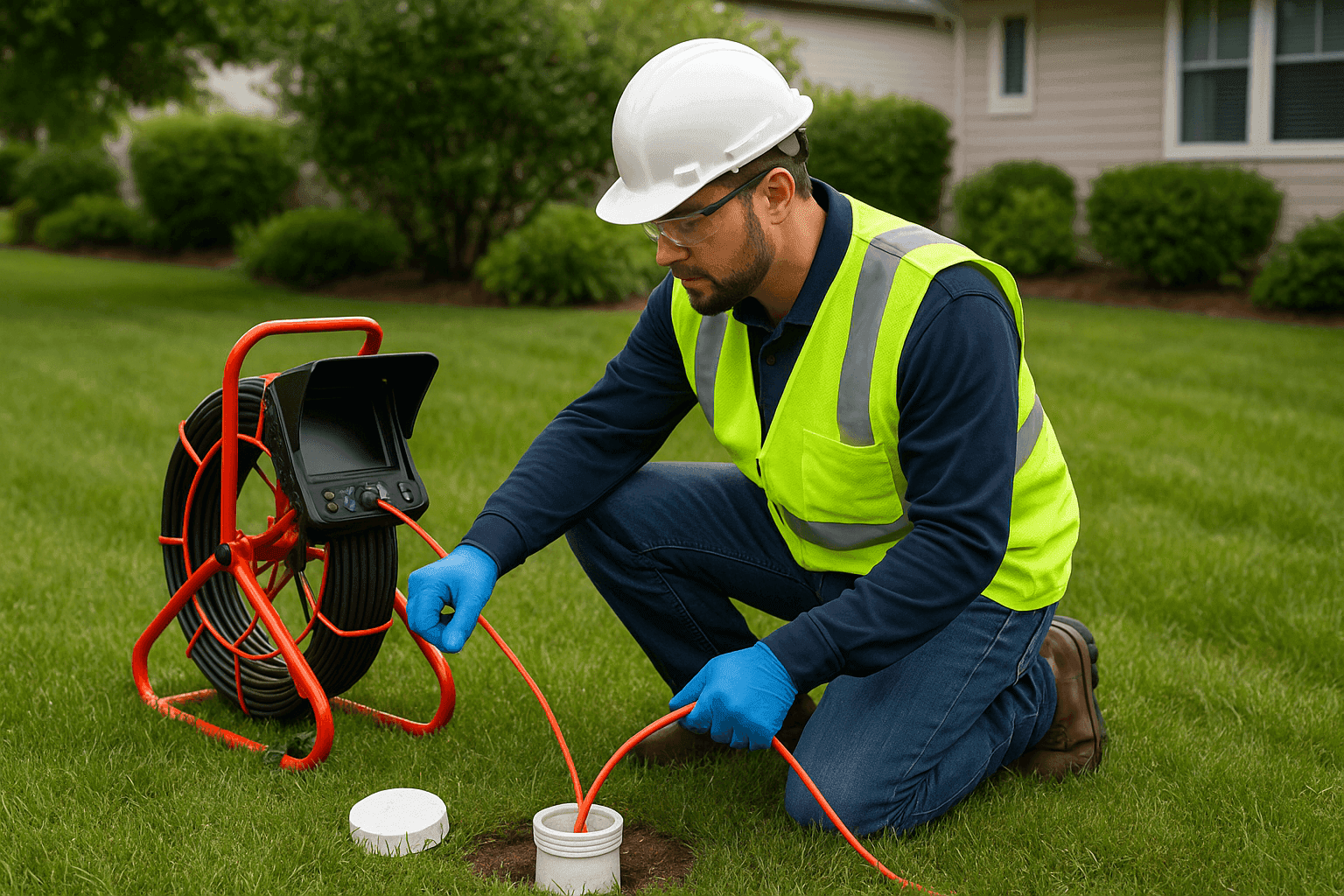
- Accessing the Line: Plumbers locate the main cleanout—an access point to your home’s sewer line.
- Camera Inspection: A waterproof, high-resolution camera attached to a flexible cable is fed through the pipe. This “plumbing periscope” shows what’s happening underground, in real time.
- Spotting Trouble: The camera reveals cracks, blockages, roots, collapsed sections, and buildup. Homeowners can often watch the video right there.
- Assessment: Plumbers note pipe material, depth, and problem spots. Sometimes, dye tests help identify leaks.
- Reporting: You’ll get a clear explanation—sometimes with video or photo evidence—of what’s wrong and recommended next steps.
A reputable plumber will explain what’s happening in plain English. You should never feel pressured into unnecessary repairs.
What to Check Before Calling a Plumber
Before you pick up the phone, try these steps:
- Rule out minor clogs: Plunge the affected drain or use an over-the-counter snake. If that doesn’t work—or multiple drains are slow—it isn’t a simple fix.
- Check for standing water: Pools around the foundation or in the yard often mean a bigger issue.
- Listen for gurgling: Odd noises after flushing or draining hint at venting or blockage problems.
- Inspect for odors: Strong sewer smells anywhere inside suggest a breach or backup.
If your quick checks don’t solve the issue—or if sewage backs up—call a professional right away. Some jobs need more than elbow grease.
DIY vs. When to Call a Pro
A plunger or hand auger can clear everyday clogs, but sewer line problems are a different beast. Here’s when DIY is okay—and when it’s time for help:
DIY:
- Clearing hair or soap scum from a shower drain.
- Plunging a single slow sink or toilet.
- Removing visible debris from a p-trap.
Call a Pro:
- More than one drain is slow or backed up.
- Foul odors persist even after cleaning.
- Water or waste backs up into tubs, showers, or sinks.
- You see unusual lawn wetness or sinkholes.
- You hear gurgling in unrelated fixtures (e.g., the bathtub gurgles when you flush).
Plumbing codes—like those from the International Plumbing Code (IPC)—require licensed professionals for any work involving main sewer lines. DIY attempts at this level can worsen the problem or even violate local regulations.
How Sewer Line Inspections Work
Here’s what you can expect when you book a Sewer Line Inspection near you with a reputable plumbing company:
- Arrival and Assessment: Plumbers ask about symptoms and inspect visible plumbing for clues.
- Accessing the Cleanout: They locate the main cleanout point, usually outside your home or in the basement.
- Camera Technology: Using a video inspection camera, they scan the entire length of your sewer line. The camera transmits a live feed, revealing blockages, cracks, roots, and collapsed sections.
- Diagnosis: The plumber explains what’s going on, pointing out problem areas and underlying causes.
- Recommendations: You’ll receive a summary of findings and options for repair or replacement, based on industry standards and code requirements.
This process is quick, minimally invasive, and highly effective at pinpointing issues before they escalate. 📷
Prevention & Maintenance
A bit of care goes a long way toward avoiding plumbing disasters:
- Watch What You Flush: Only toilet paper and human waste belong in the toilet. No wipes, feminine products, or paper towels.
- Dispose of Grease Properly: Pouring oils down the drain is a recipe for blockages.
- Regular Inspections: Schedule a Sewer Line Inspection near you every few years, especially in older homes.
- Trim Trees and Shrubs: Keep roots from invading pipes by maintaining landscaping.
- Install Backflow Prevention: Local codes sometimes require backflow devices, especially in flood-prone areas.
The National Association of Home Builders and EPA both recommend regular maintenance to extend pipe lifespan and prevent emergencies.
Costs & Time Factors
Sewer line problems aren’t one-size-fits-all, but here’s what to expect:
- Inspection: Most camera inspections take 30–90 minutes. Costs vary by region and pipe length.
- Minor Repairs: Clearing a simple blockage can be quick and inexpensive.
- Major Repairs: Pipe repair or replacement takes longer. Factors include pipe depth, location, material, and the extent of damage.
- Restoration: Yard or landscaping work may add to both time and cost.
A reputable plumber will outline options and answer your questions before work begins.
When It’s an Emergency
Some situations can’t wait:
- Active sewage backup into your home.
- Sudden, unexplained drop in water pressure.
- Sewage odors strong enough to cause discomfort or health worries.
- Flooding or standing water that threatens your foundation.
Call a plumber immediately. Delay can multiply the damage and risks.
FAQ: Common Sewer Line Questions
How often should I get my sewer line inspected?
For most homes, every 2–3 years is a smart baseline—especially if your home is over 30 years old, or you have large trees nearby.
Are tree roots always a problem?
Not always, but even small roots can find their way into older pipes. Regular maintenance and root barriers help.
Is a camera inspection really necessary?
Yes. It’s the only way to see what’s happening inside your pipes without digging up your yard.
What are the health risks of sewer line problems?
Exposure to raw sewage can cause illness, according to the Centers for Disease Control and Prevention (CDC). Prompt repairs keep your home safe.
Local & Seasonal Considerations
Winter freezes can crack aging pipes. Spring thaws and heavy rains may stress your sewer system and expose hidden leaks. If your area has clay soil or mature trees, be extra vigilant. Remember, older neighborhoods often have older plumbing—regular inspections are even more important there.
Don’t let hidden sewer line problems catch you off guard. If you’re noticing any warning signs, or just want peace of mind, schedule a Sewer Line Inspection near you with Showers Plumbing.
Call Showers Plumbing now — or reach us anytime at 877-873-4965 .