Understanding Water Filtration Systems for Your Home
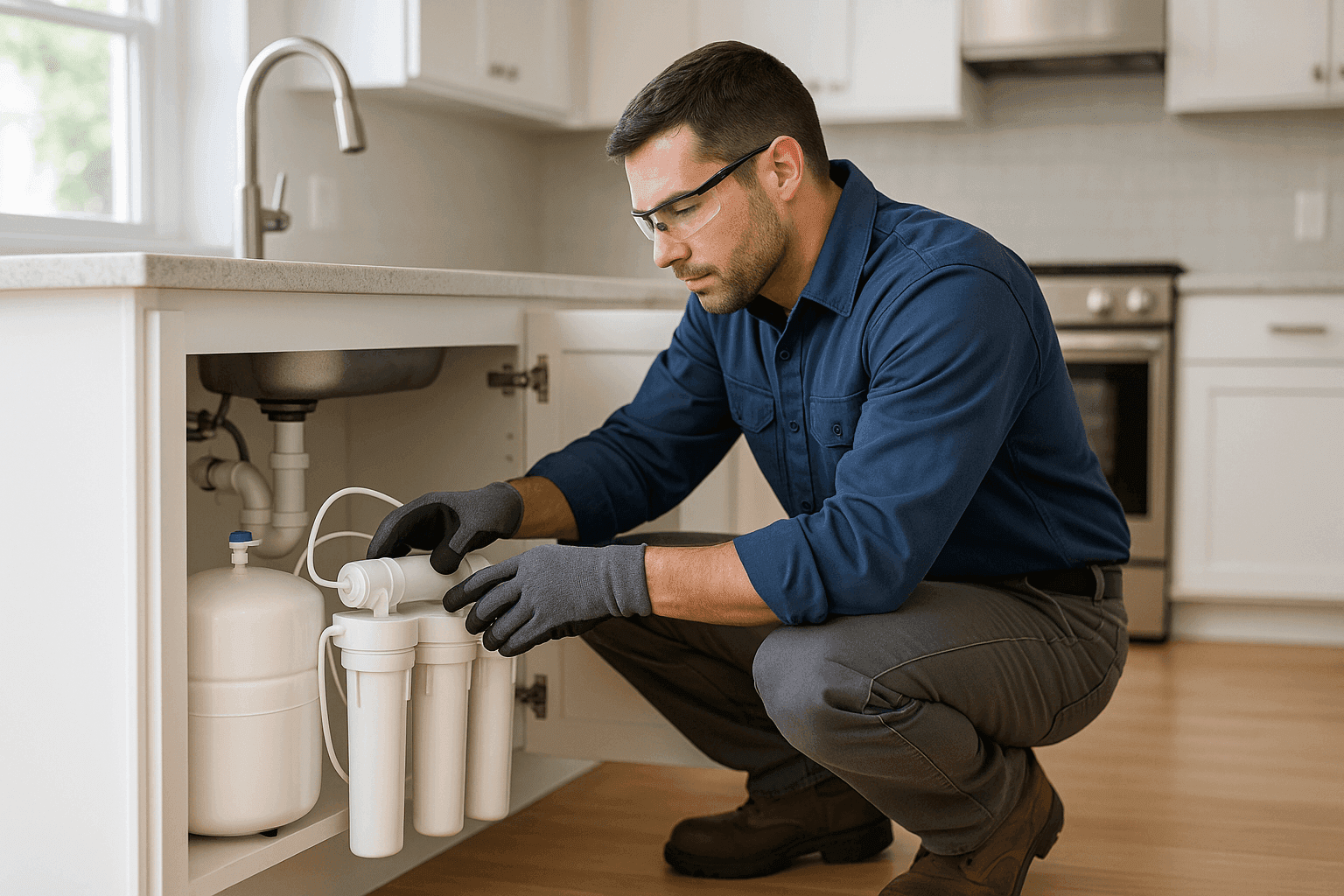
Is your tap water as clean as it should be? Many homeowners ask themselves this every time they fill a glass or cook dinner. The truth is, water that looks clear can still carry invisible threats.
At Showers Plumbing, we've seen families gain peace of mind with the right water filtration system. But with so many options out there, choosing and caring for a system can feel overwhelming. Let’s break it down together.
Why Water Filtration Matters 🛁
Imagine pouring a glass of water, expecting refreshment, but instead you taste chlorine or notice a faint smell. Sometimes, the harm isn’t obvious. Lead, pesticides, or bacteria can lurk in water supplies—even if the water looks perfectly clear.
Here’s why a filtration system is more than just a “nice-to-have”:
- Health Protection: Removes harmful contaminants like lead, chlorine, bacteria, and pesticides (see EPA Safe Drinking Water Act for more).
- Taste and Smell: A good filter can turn harsh tap water into something you actually want to drink.
- Plumbing Preservation: Filtering out minerals and debris can reduce wear on pipes, fixtures, and appliances, prolonging their life.
- Peace of Mind: Knowing what’s in your water means fewer surprises and more control.
Common Types of Water Filtration Systems
Let’s compare the three most popular systems for homes:
Under-Sink Filters
Think of these as the secret agents of your kitchen. Tucked away, they filter all the water going to one faucet. Great for drinking and cooking water.
Pros:
- Powerful filtration for specific contaminants.
- Hidden from view.
- Doesn’t affect entire house water pressure.
Cons:
- Only filters water at one tap.
- Requires installation and periodic filter changes.
Whole-House Systems
This is like installing a bodyguard for every drop of water entering your home. These systems connect to your main line, filtering all incoming water.
Pros:
- Treats all water (showers, laundry, toilets, and sinks).
- Reduces buildup in pipes and appliances.
Cons:
- More expensive up front.
- Installation is more involved—often requires a professional plumber.
Faucet Filters
Small but mighty. These attach directly to your faucet and can be switched on or off as needed.
Pros:
- Affordable and easy to install.
- Good for renters or quick upgrades.
Cons:
- Slower flow rate.
- Only filters one faucet at a time.
- Less comprehensive filtration.
Factors to Consider When Choosing a System
Water filtration isn’t one-size-fits-all. Here’s what to keep in mind:
- Contaminants in Your Water: Get your water tested. Local health departments or certified labs offer tests that can reveal what’s really in your tap.
- Household Size and Usage: A large family or big home may need a whole-house system, while a small apartment may only need a faucet filter.
- Budget: Factor in both installation and ongoing filter replacement costs.
- Plumbing Layout: Some older homes may need upgrades to support certain systems.
- Certification: Look for filters certified by NSF International or the Water Quality Association to be sure they meet safety standards. Certification means the filter has been independently tested for effectiveness.
Maintenance Tips for Longevity 🧰
A filter is only as good as its upkeep. Think of it like a coffee maker: forget to clean it, and things get murky fast.
- Replace Cartridges Regularly: Follow the manufacturer’s guidelines—most filters need changing every 3–12 months.
- Monitor Water Pressure: A sudden drop could mean your filter is clogged.
- Sanitize System Components: Some systems benefit from an annual cleaning to prevent bacteria buildup, especially in humid or warm climates.
- Inspect for Leaks: Check connections, especially after installation or filter changes.
- Record Maintenance: Set reminders or keep a log to track when you last serviced your system.
Comparing Installation: DIY or Call a Plumber?
Some filters, like faucet-mounted ones, are a breeze to install yourself. Under-sink and whole-house systems? Not so much.
DIY Installation Might Work If:
- You’re handy with basic tools.
- The system is designed for homeowner installation.
- Your plumbing is modern and easily accessible.
Professional Installation Is Best When:
- The system connects to your main water line.
- You’re dealing with old or complicated plumbing.
- You want to ensure compliance with plumbing codes (like those from the International Plumbing Code).
A professional plumber can also handle related tasks, like a Sewer Line Inspection near you, to ensure everything flows smoothly.
Testing and Certification: What to Look For
How do you know a filter really does what it claims? Look for these marks:
- NSF/ANSI Standards: NSF 42 (taste/odor/chlorine), NSF 53 (lead, cysts, VOCs), NSF 401 (emerging contaminants).
- Water Quality Association Gold Seal: Another sign of a filter tested for safety and effectiveness.
- Local Codes: Some areas require backflow prevention and periodic testing. Your plumber can help you stay compliant.
Assessing Your Water Quality
Before you buy, it’s smart to test your water. Here’s how:
- Contact Your Local Utility: They often provide water quality reports.
- Use a Home Test Kit: Available at hardware stores.
- Hire a Professional: For a thorough analysis, especially if you suspect unusual contaminants or have an older home.
Practical Tips for Everyday Use
- Don’t ignore strange tastes or smells—these can signal it’s time to replace your filter.
- If you’re remodeling or upgrading your kitchen, consider adding an under-sink or whole-house system for lasting benefits.
- For homes with frequent plumbing issues or hard water, filtration can prevent future headaches.
Water Filtration and Plumbing: Protecting Your Investment 🚰
Clean water isn’t just about drinking. Filtering out minerals and debris helps prevent scale buildup, reduces wear on water heaters, and keeps your pipes clearer. In the long run, a good filtration system can mean fewer repairs, less rust, and smoother operation for everything from your garbage disposal to your boiler.
When to Call a Pro
If installation instructions read like a foreign language, or if your plumbing looks like a maze, don’t risk a leak or code violation. A professional plumber can:
- Recommend the right system for your needs.
- Install the system safely and correctly.
- Inspect for leaks and proper function.
- Perform backflow testing to protect your home’s supply.
FAQ: Water Filtration at Home
How often should I replace my water filter?
Most filters need changing every 3–12 months. Check your manufacturer’s directions.
Can I install a whole-house system myself?
It’s possible, but not easy. Most homeowners prefer to hire a plumber for this job.
Does water filtration affect water pressure?
Some systems, especially if not maintained, can cause a drop. Regular filter changes help keep the flow strong.
What if I have well water?
Well water often needs special treatment. Get a full water test before choosing a system.
Local and Seasonal Considerations
Certain contaminants, like agricultural runoff or seasonal bacteria, can spike at different times of year. If you live in an area with older pipes or regular plumbing repairs, a filtration system can offer year-round peace of mind. After heavy storms or local pipe work, it’s wise to re-test your water.
Final Thoughts
Choosing the right water filtration system isn’t just about taste—it’s about the health and comfort of your home. Take the time to assess your water, consider your family’s needs, and don’t hesitate to bring in a pro for installation or maintenance. Clean, safe water is an everyday essential, and you deserve the best.
Call Showers Plumbing now — or reach us anytime at 877-873-4965 .